Compare Local Contractors for Tree Debris Removal Services
Compare local contractors for tree debris removal to define project scope, verify experience, and set clear expectations for a safe, efficient cleanup.
Tree debris removal services typically cover the cleanup and disposal of fallen branches, leaves, and other tree-related materials that accumulate on a property after storms, pruning, or natural shedding. Contractors may also handle the removal of entire trees that pose a risk or have become hazardous. The scope of work can vary depending on the size of the debris, the number of trees involved, and the specific needs of the property owner. Clarifying what is included in the service ensures that the work addresses the full extent of the cleanup and prevents misunderstandings about what will be removed and how the debris will be handled.
Defining the scope of tree debris removal work is essential for establishing clear expectations and avoiding potential disputes. Property owners should specify whether the service covers only surface debris or also includes stump grinding, root removal, or cleanup of nearby landscaped areas. Having a written outline of the work helps ensure that both parties agree on the tasks involved and the extent of the cleanup. This clarity can also assist property owners in assessing the experience and capabilities of local contractors, as those who understand the scope well are more likely to deliver satisfactory results.
When comparing local contractors for tree debris removal, property owners should consider factors such as experience with similar jobs, the range of services offered, and the methods used for cleanup. It’s helpful to verify how each contractor plans to approach the work and whether they have the necessary equipment to handle the scope of debris. Reviewing written estimates or scope descriptions can also reveal how well a contractor understands the project’s needs. Asking about their process for managing debris and confirming that the scope aligns with the property’s requirements can support making an informed decision and selecting a service provider capable of meeting specific cleanup expectations.
Compare local contractors by outlining your project priorities, verifying experience, and setting clear expectations in writing.
- Compare Contractors - review multiple local service providers to find the best match for tree debris removal needs.
- Define Scope - clearly outline the extent of debris removal to ensure mutual understanding.
- Verify Experience - assess the background and expertise of local contractors to ensure quality work.
- Set Expectations in Writing - document the agreed-upon scope and details to prevent misunderstandings.
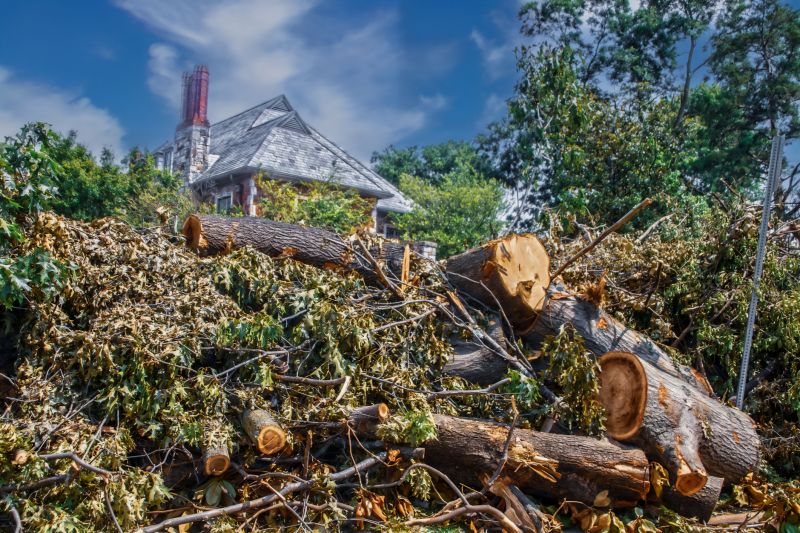
Clearly describe your tree debris removal project to compare local contractors, verify experience, and set expectations in writing.
- Verify that the scope of work clearly specifies the removal of all tree debris. - Ensure service providers outline what debris will be collected and disposed of during the job.
- Check that the contractor has experience handling debris removal from trees of similar size and type. - Look for local contractors with a proven track record in managing tree debris cleanup.
- Confirm that the removal process includes proper disposal or recycling of debris. - Make sure service providers detail their debris disposal methods in writing.
- Compare how different local contractors define the scope of debris removal to ensure consistency. - Use written descriptions to evaluate what is included and excluded in each proposal.
- Assess whether the contractor provides a detailed written estimate that covers all aspects of debris removal. - Obtain and review scope details to prevent misunderstandings later.
- Ensure that the scope of work and expectations are documented clearly in a written agreement. - Protect the project by having all details agreed upon and recorded before work begins.
Compare local contractors’ experience and clarify project scope to ensure clear, written expectations.
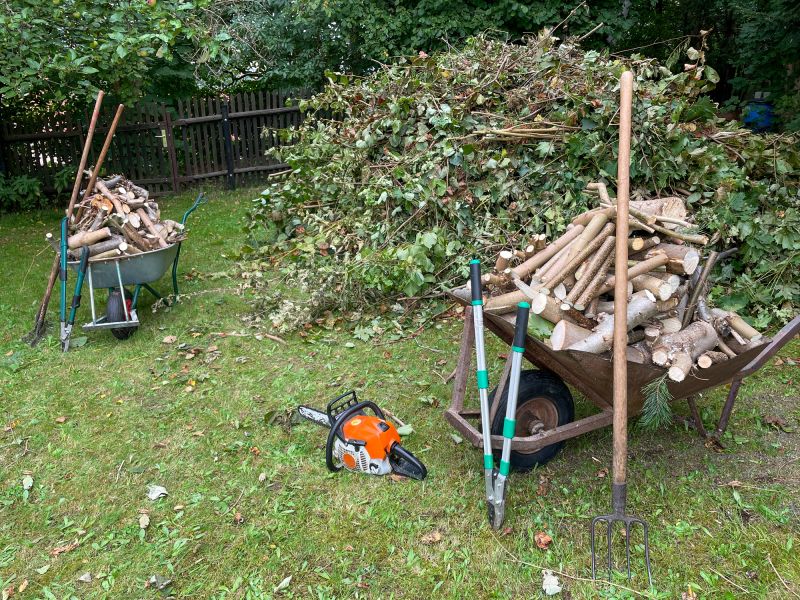
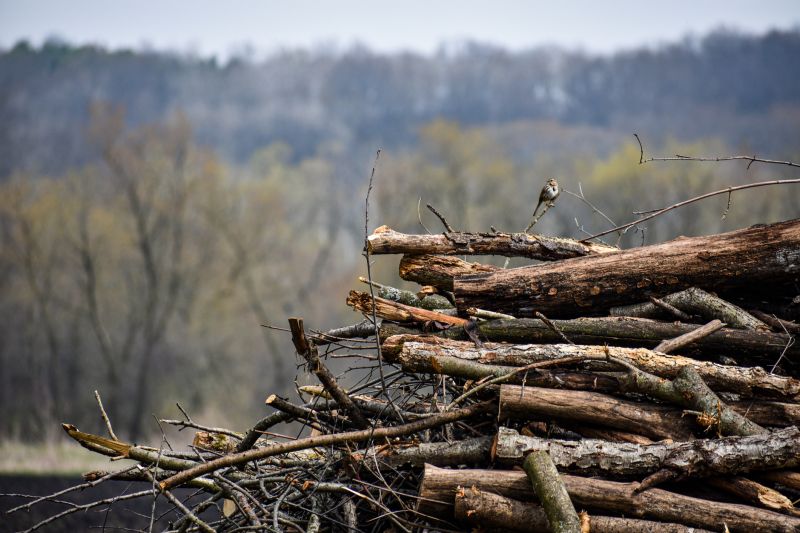

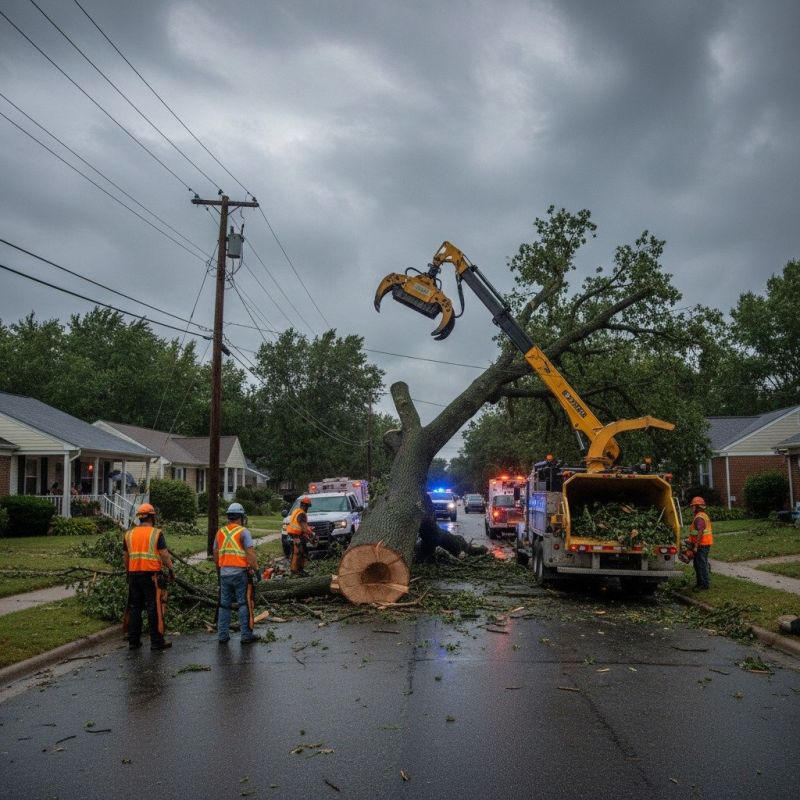
Use consistent scope descriptions across local contractors to accurately compare their experience and set clear expectations.
- Scope Definition - Clearly outline the specific types of tree debris to be removed, such as fallen branches, leaves, or whole trees.
- Experience Verification - Confirm that local contractors have relevant experience with tree debris removal projects of similar scope.
- Equipment and Methods - Specify the tools, machinery, and techniques that contractors will use to ensure effective debris removal.
- Work Area and Access - Define the boundaries of the work area and any access considerations or restrictions for debris removal.
- Cleanup and Disposal - Detail expectations for debris cleanup, including disposal methods and site restoration after removal.
When evaluating contractors for tree debris removal, it is important to consider their experience with similar projects. Service providers who have a proven track record handling tree debris clearance, especially in situations similar to the homeowner’s property, are more likely to understand the nuances of the work. Inquiring about past projects or requesting references can help gauge their familiarity with various types of debris and complex site conditions. An experienced contractor can often anticipate potential challenges and recommend appropriate solutions, contributing to a smoother removal process.
A clear, written scope of work is essential when comparing contractors. The scope should detail what debris will be removed, how the work will be performed, and the specific areas affected. Having this information in writing helps prevent misunderstandings and ensures that both parties agree on the expectations. Homeowners should look for contractors who provide detailed descriptions of the services included, and who are willing to put this scope into a formal document. This clarity allows for more accurate comparisons and can serve as a reference if questions or issues arise later.
Verification basics involve confirming that the service providers have the necessary background and credentials to perform tree debris removal safely and effectively. While licensing and certification are not discussed here, homeowners should verify that contractors have appropriate insurance coverage and adhere to safety standards. Requesting proof of insurance and checking that the contractor is properly insured can protect against potential liabilities. Additionally, reviewing the contractor’s reputation through references or reviews can provide insight into their reliability and quality of work, helping to establish confidence in their capabilities.
When comparing options, it is helpful to evaluate how each contractor communicates and the thoroughness of their proposal. Clear written descriptions of the scope, along with detailed explanations of the process and any included services, can help identify the most professional and organized service providers. Homeowners should look for contractors who are transparent about their methods and willing to answer questions about their approach. By focusing on the clarity of communication and the completeness of their proposals, homeowners can make informed decisions that align with their project needs and expectations, without relying solely on price considerations.
Ask contractors for written scope details to ensure clear expectations and consistent understanding of the debris removal.
- Scope of Services - What specific debris removal tasks are included and are there any exclusions?
- Experience and References - How long have the contractors been performing tree debris removal and can they provide references?
- Work Guarantee - Do the service providers offer any written warranties or guarantees for their debris removal work?
- Equipment and Methods - What tools and techniques do the local contractors use to ensure thorough debris removal?
- Insurance and Liability - Are the contractors insured, and how do they handle potential property damage or accidents during the job?
How can I find qualified contractors for tree debris removal? To find qualified contractors, compare local service providers based on their experience, reviews, and scope of work to ensure they meet specific project needs.
What should I consider when defining the scope of tree debris removal? Clearly outline the amount and type of debris, access points, and any specific cleanup requirements to ensure contractors understand the project expectations.
How can I verify a contractor’s experience in tree debris removal? Review their past work, ask for references, and check if they have handled similar projects to gauge their expertise and reliability.
What is the importance of putting project details in writing? Documenting the scope, responsibilities, and expectations helps prevent misunderstandings and provides a clear reference for both parties.
How do I compare different contractors for tree debris removal? Evaluate their experience, scope of services, reviews, and the clarity of their written proposals to determine which provider best fits the project.
Why is it helpful to ask contractors about their process for debris removal? Understanding their approach ensures their methods align with your expectations and project requirements for efficient cleanup.
By exploring available contractors for tree debris removal, visitors can gain a clearer understanding of how to compare local service providers, define the scope of work, verify experience, and establish clear expectations in writing. Taking the time to review these aspects helps ensure that the chosen contractor aligns with specific project needs and preferences.
Using the quote form allows users to easily connect with local contractors, providing a straightforward way to gather information and compare options. This approach supports making informed decisions by facilitating direct communication with experienced service providers in the area.