Compare Local Contractors for Fallen Branch Removal Services
Compare local contractors for fallen branch removal to define scope, verify experience, and set clear expectations for a safe, effective cleanup.
Fallen branch removal is a common service that addresses hazards caused by broken or uprooted tree limbs. This work typically involves assessing the size and location of the fallen branches, safely removing them without damaging surrounding property, and clearing debris to restore safety and accessibility. Contractors in this field often use specialized equipment to handle branches of varying sizes, ensuring that the removal process is efficient and thorough. Understanding the scope of what fallen branch removal covers can help property owners communicate their needs clearly and ensure that all hazards are addressed effectively.
Defining the scope of work is an essential step when working with contractors for fallen branch removal. Clearly outlining which areas require attention, the size and number of branches to be removed, and any specific access considerations helps prevent misunderstandings and ensures that all parties have aligned expectations. Property owners should specify whether the work involves only minor cleanup or if larger, potentially hazardous limbs need careful dismantling. Having these details in writing can provide clarity and serve as a reference throughout the project, helping to avoid surprises and ensuring the work is completed to satisfaction.
When comparing local contractors for fallen branch removal, property owners should consider experience and reputation within the community. It’s helpful to verify whether a contractor has handled similar jobs and to seek references or reviews from previous clients. Additionally, understanding how each service provider approaches the scope of work, including safety protocols and cleanup procedures, can aid in making an informed choice. By reviewing their scope of services, confirming their familiarity with local tree species and common hazards, and ensuring clear communication about expectations, property owners can select a contractor capable of efficiently addressing fallen branches and restoring safety to their property.
Compare local contractors by outlining your priorities, verifying experience, and clearly defining your project expectations.
- Compare Contractors - review multiple local service providers to find the best match for fallen branch removal needs.
- Define the Scope - clearly outline the work to be done to ensure all parties understand the project requirements.
- Verify Experience - assess the background and expertise of local contractors to select qualified professionals.
- Set Expectations in Writing - document the scope, responsibilities, and any agreements to promote clarity and accountability.
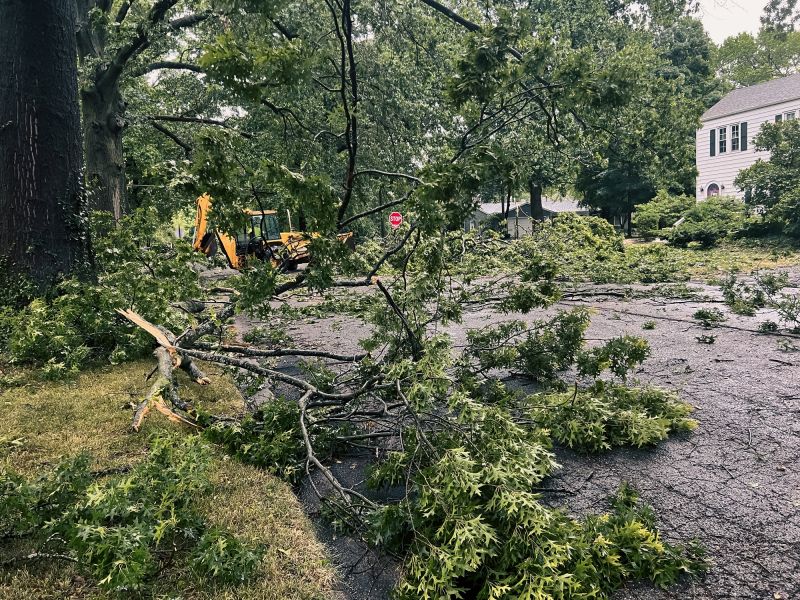
Compare local contractors by clearly defining your fallen branch removal project to ensure accurate scope and expectations.
- Verify the experience of local contractors in fallen branch removal to ensure they have relevant expertise. - Review the scope of work outlined by service providers to confirm it matches the specific removal needs.
- Compare the services offered by different local contractors to find those that provide comprehensive fallen branch removal solutions. - Ensure that the scope includes debris cleanup and proper disposal of fallen branches.
- Check for clear communication about the scope of work and what is included in the removal process. - Confirm that service providers can provide written estimates or agreements detailing the work to be performed.
- Assess the reputation and reliability of local contractors through reviews or references. - Look for consistent positive feedback related to fallen branch removal projects.
- Ensure that the service providers are prepared to handle different sizes and types of fallen branches safely and efficiently. - Confirm that they have the appropriate equipment and experience for your specific situation.
- Request detailed written agreements to set expectations regarding the scope, process, and responsibilities of the project. - Make sure all aspects of the removal are documented before work begins.
Compare local contractors’ experience, clarify scope, and set clear expectations in writing.
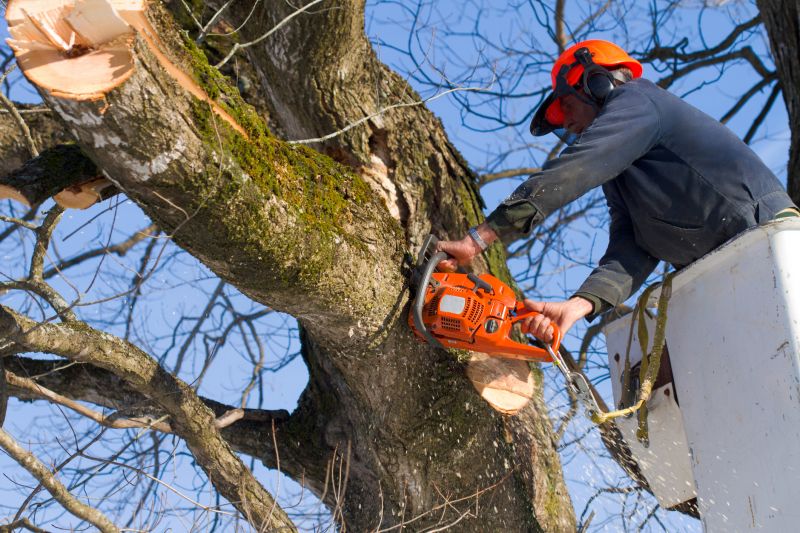
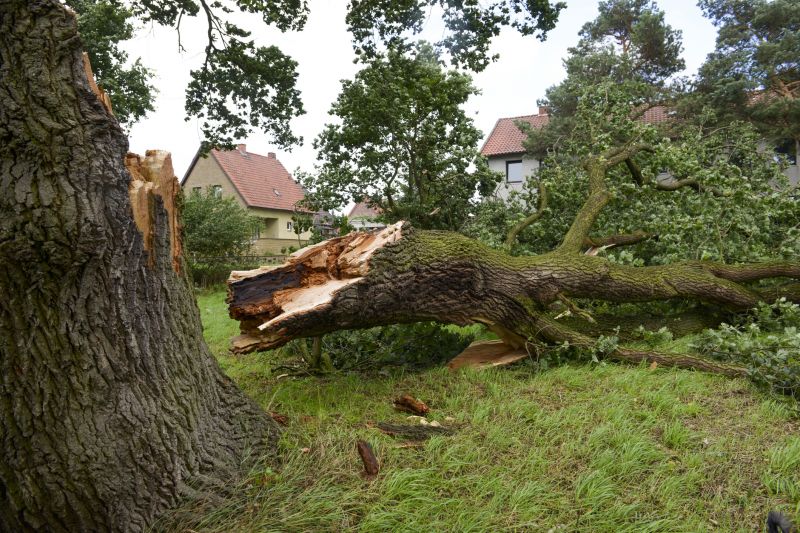
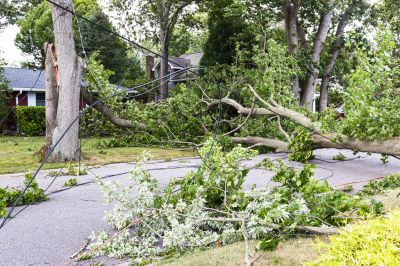
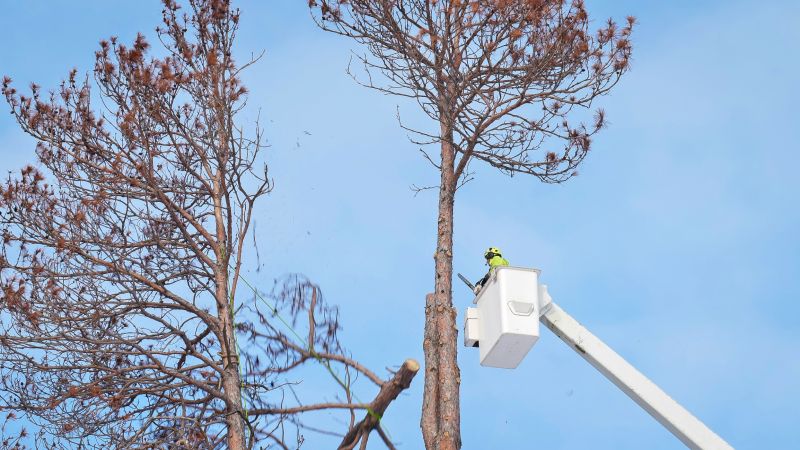
Compare local contractors' scope definitions and experience to ensure consistent expectations across service providers.
- Scope Definition - Clearly outline the extent of fallen branch removal services needed, including size, location, and accessibility.
- Experience Verification - Confirm that local contractors have relevant experience with fallen branch removal and related tree care tasks.
- Equipment and Techniques - Specify the tools and methods preferred or required for safe and effective branch removal.
- Safety and Site Preparation - Identify safety considerations and site conditions that contractors should address during the removal process.
- Written Expectations - Ensure all scope details, responsibilities, and project parameters are documented in a formal agreement.
When comparing contractors for fallen branch removal, it’s important to evaluate their experience with similar projects. Service providers who have handled a variety of tree cleanup and removal tasks are more likely to understand the nuances of safely and effectively removing fallen branches. Inquire about their background with projects of comparable scope and complexity to ensure they possess relevant expertise. This can help in identifying professionals who are familiar with the challenges specific to your property and can deliver quality results.
A clear, written scope of work is essential when assessing different contractors. A detailed description of the services to be provided helps set expectations and ensures there is mutual understanding of the project’s parameters. When reviewing proposals or estimates, look for documentation that outlines the specific tasks, the extent of branch removal, and any additional services included. Having this information in writing provides a valuable reference point and reduces the potential for misunderstandings later on.
Verification basics involve confirming that contractors have the proper experience and a track record of successful projects similar to fallen branch removal. While licensing and certification are not the focus here, it’s still advisable to review references or ask for examples of past work. Checking online reviews or requesting testimonials can offer insights into a contractor’s reliability and quality of service. Verifying these aspects helps ensure the chosen service provider has a history of performing the work competently and professionally.
When evaluating options, consider how well each contractor communicates and how thoroughly they define the scope of work in writing. A comprehensive proposal that clearly states what will be done, along with any assumptions or limitations, is a good indicator of professionalism. Avoid focusing solely on cost or availability; instead, prioritize the clarity of the scope, the contractor’s experience with similar projects, and the thoroughness of their communication. This approach helps in selecting a service provider who can meet expectations and handle the job effectively.
Ask contractors to provide written scope details to ensure clarity and consistency throughout the fallen branch removal process.
- Experience and Qualifications - How do contractors demonstrate their experience with fallen branch removal projects?
- Scope of Work - What specific tasks and responsibilities are included in the service scope?
- Comparison of Services - How do different contractors' approaches and methods for branch removal differ?
- Work Scope Clarification - Can the contractor clearly define what is included and excluded in the removal process?
- Written Agreement - Is the scope of work and expectations documented in a detailed written agreement?
How can I compare contractors for fallen branch removal? To compare local contractors, review their experience, verify their reputation through reviews or references, and ensure their scope of work aligns with your needs before making a decision.
What should I clarify when defining the scope of fallen branch removal? Clearly specify the size and number of branches, the area affected, and any additional cleanup or disposal services needed to set clear expectations.
How can I verify the experience of a contractor handling fallen branch removal? Ask for details about their past projects, request references if available, and review any available work history to ensure they have relevant experience.
Why is it important to get written agreements with contractors? Written agreements help outline the scope of work, responsibilities, and expectations, reducing misunderstandings and ensuring clarity throughout the project.
What questions should I ask a contractor before hiring for fallen branch removal? Inquire about their process, experience with similar jobs, safety procedures, and how they handle cleanup and disposal after the removal.
How can I ensure a contractor's work aligns with my expectations? Communicate your needs clearly in writing, ask for detailed descriptions of the work, and confirm that all expectations are documented before work begins.
This page provided an overview of how to find reliable contractors for fallen branch removal, emphasizing the importance of clearly defining the scope of work, verifying experience, and setting expectations in writing. Visitors learned that comparing local service providers can help identify options that meet their specific needs and ensure a smooth process. Using the quote form allows for easy comparison among local contractors, making it simpler to find the right fit for the job.
By utilizing the quote form, visitors can explore and compare different local contractors who specialize in fallen branch removal. This approach helps ensure that expectations are clear and that the selected service provider is well-suited to handle the project. Taking the time to review and communicate with multiple local service providers can support making an informed decision tailored to individual requirements.